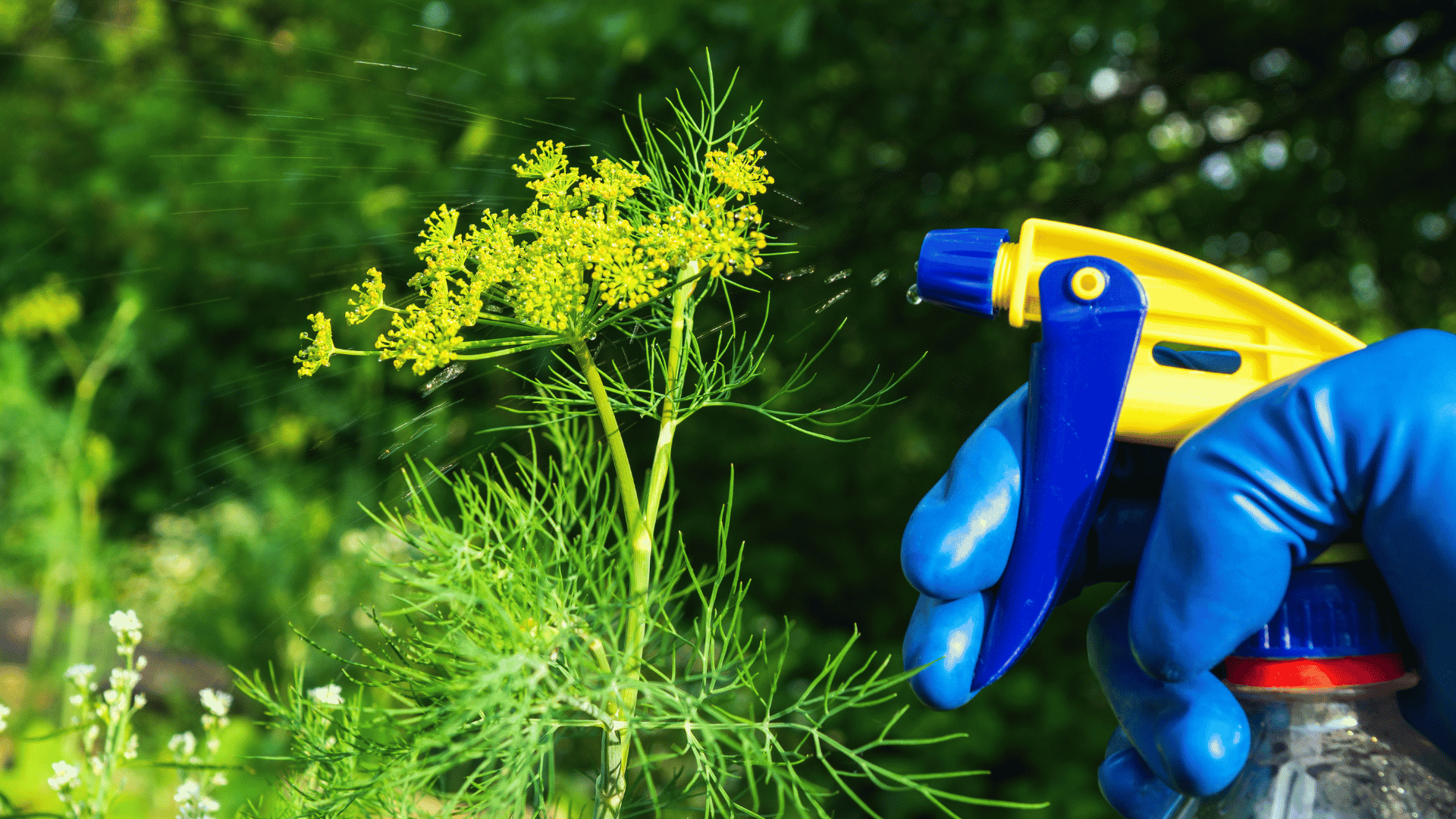
 Eco-friendly pest control is important in North Carolina because of our climate. Humid summers, mild winters, and clay soil that holds moisture against foundations give termites, ants, mosquitoes, and rodents an unusually long runway to reproduce. In colder states, a hard freeze resets the problem each year. Here in the Piedmont and foothills, pest pressure never fully goes away, so the treatment choices you make have to hold up over the long term.
Reaching for stronger chemicals more often may clear the pests you can see, but it does nothing about the conditions inviting them back, and it puts pressure on the well water, pollinators, and soil that families across Wilkes and Yadkin counties depend on. Eco-friendly pest control takes the opposite path by identifying why pests keep returning and correcting those causes one at a time. The result is a home that stays protected without a rising chemical load around it.
Quick Summary
- Eco-friendly pest control focuses on prevention, exclusion, and habitat correction rather than repeated broad chemical applications.
- North Carolina's humidity, mild winters, and clay soils create year-round pest pressure, which makes prevention more valuable here than in colder states.
- Rural Wilkes and Yadkin County households often rely on private wells, so limiting chemical runoff protects drinking water directly.
- The Yadkin Valley's vineyards, orchards, and home gardens depend on healthy pollinator populations that careless pesticide use can harm.
- Targeted, low-risk approaches reduce pesticide resistance and tend to produce longer-lasting results than repeated spraying.
- Rid-A-Bug has served this region since 1972 and offers LEED certified treatments and integrated pest management as part of its standard approach.
What Eco-Friendly Pest Control Actually Means
Eco-friendly pest control is often misunderstood as a promise never to use any product at all. That is not what it means, and any company claiming otherwise is overselling. The accurate description is that treatment decisions are driven by inspection and evidence rather than by routine, and that the least harmful effective method is chosen first.
This philosophy has a formal name in the industry: integrated pest management, or IPM. The Environmental Protection Agency defines IPM as a science-based, common-sense approach that combines biological, cultural, mechanical, and chemical tools to manage pests with the least possible risk to people and the environment. When a product is warranted, it is a low-risk material applied precisely where the pest activity is, not broadcast across an entire property.
Rid-A-Bug builds pest management plans around this model, using bait systems, ongoing monitoring, and LEED certified products depending on what the inspection reveals. If you want a fuller explanation of what that certification signals about the materials used inside your home, our companion article on LEED certified pest control treatments walks through the details.
For more, read our blog about 10 Ways you are attracting pests into your home.
Why North Carolina's Climate Raises the Stakes
Pest pressure is not the same everywhere in the country, and North Carolina sits in a demanding zone. Eastern subterranean termites are active across the state and remain a leading cause of structural damage to homes here, according to guidance from NC State Extension. Mosquitoes can move from egg to adult in as little as ten to fourteen days during warm weather, which means a forgotten bucket behind the barn becomes a breeding site within two weeks.
Winter offers less relief than homeowners expect. Mild spells pull insects out of dormancy, and rodents simply relocate indoors rather than dying off. A property in Ronda or East Bend faces some form of pest activity nearly every month of the year.
That reality argues strongly for prevention. A strategy that depends on knocking down populations after they appear commits you to a permanent cycle of treatment. A strategy that closes entry points, dries out crawl spaces, and removes food and water sources reduces how often treatment is needed at all.
Five Reasons Eco-Friendly Pest Control Matters in Wilkes and Yadkin Counties
- Well water protection. A large share of rural households in these counties draw drinking water from private wells, which are not subject to the same routine testing as municipal systems. Pesticides applied heavily or carelessly can move through soil and reach groundwater. Reducing the volume of product used, and placing it precisely, is the most direct way to keep that risk low. The National Pesticide Information Center is a useful, objective resource for homeowners who want to understand specific active ingredients.
- Pollinator health in the Yadkin Valley. The Yadkin Valley wine region, along with the orchards, hayfields, and home gardens surrounding it, depends on bees and other pollinators. Broad-spectrum insecticides do not distinguish between a carpenter ant and a honeybee. Eco-friendly programs time and place applications to avoid blooming plants and known pollinator activity, which protects the agricultural character of the area.
- Safer conditions for children and pets. Families with crawling babies, curious toddlers, or dogs that spend the day outdoors have a legitimate interest in what is applied around baseboards and along foundations. Low-risk, targeted materials keep residue exposure to a minimum.
- Less pesticide resistance. Insects reproduce quickly, and populations exposed repeatedly to the same chemical will eventually include individuals that survive it. Those survivors breed. IPM sidesteps this problem by rotating methods and relying heavily on non-chemical controls, so no single pressure drives resistance.
- Longer-lasting results. Sealing a gap around a dryer vent, correcting standing water beside a foundation, or drying out a damp crawl space solves a problem permanently. Spraying solves it until the next generation arrives.
Read our blog about pest control season by season.
What an Eco-Friendly Program Looks Like on Your Property
A responsible program begins with looking rather than spraying. The visit should feel more like an inspection than an application, at least at the start.
- Thorough inspection. A technician identifies the specific pest, locates entry points, and finds the conditions supporting the infestation.
- Exclusion work. Sealing cracks and crevices, adding door sweeps, and repairing damaged screens keeps pests out mechanically.
- Moisture correction. Damp crawl spaces invite termites, roaches, and organic growth. Crawl space encapsulation and waterproofing create an environment that does not support them.
- Targeted treatment. When a product is needed, it goes where the pests are, often as a bait system rather than a broadcast spray.
- Monitoring and follow-up. Ongoing checks confirm the problem is resolved and catch new activity early.
Insulation plays a role as well. Thermal, Acoustical, and Pest Control insulation, commonly called TAP, is installed in attics and crawl spaces to reduce energy consumption while also discouraging pest activity, giving one improvement two benefits.
What Homeowners Can Do Between Visits
Professional service works best when the household is participating. A few habits make a measurable difference:
- Empty or refresh anything holding standing water at least weekly, including birdbaths, wheelbarrows, tarps, and clogged gutters.
- Store pet food and pantry staples in sealed containers rather than original bags or boxes.
- Move firewood, mulch piles, and stacked lumber well away from the foundation and off bare soil.
- Trim shrubs and tree limbs so they do not touch siding or the roofline.
- Watch for early warning signs such as mud tubes, discarded wings, droppings, or unexplained sawdust, and report them promptly rather than waiting for the next scheduled visit.
Choosing an Environmentally Responsible Company in North Carolina
The EPA publishes practical tips for selecting a pest control service that apply well here. Look for a company that inspects before it treats, explains what it is applying and why, holds current state licensing, and can describe its prevention strategy in plain language.
Local knowledge counts too. A technician who understands foothills clay, the moisture patterns near the W. Kerr Scott Reservoir, and how termite pressure behaves in this part of the Piedmont will make better decisions than one working from a generic script.
Frequently Asked Questions
Is eco-friendly pest control as effective as conventional treatment?
Yes, though the results arrive differently. Conventional spraying can produce faster visible knockdown, while IPM addresses the underlying causes and delivers more durable control. Over a full season, most homeowners see fewer recurring problems.
Does eco-friendly pest control cost more?
Prevention work can require more upfront effort than a single application, but it often reduces the total number of treatments needed over time. Pricing depends on property size, pest type, and the scope of work involved, so please contact us for a quote specific to your home.
Are the products safe around children and pets?
Low-risk materials are selected specifically with occupants in mind, and applications are placed in areas where people and animals are unlikely to contact them. Your technician will tell you if any brief re-entry period applies.
Can eco-friendly methods handle termites?
Termites require professional intervention, and bait systems fit the IPM model well. They target the colony directly while keeping the amount of material introduced around your home low. North Carolina real estate transactions also require a Wood-Destroying Insect Report, which Rid-A-Bug provides through licensed inspectors.
Does this approach work for wildlife problems too?
It does. Squirrels, raccoons, opossums, bats, and snakes are handled through humane removal and exclusion, sealing the access points so the animals cannot return.
Protecting Your Home and Your Corner of North Carolina
Eco-friendly pest control matters in North Carolina because the same conditions that make this region worth living in also make it hospitable to pests. Choosing methods that respect groundwater, pollinators, and the people inside the house is not a compromise on effectiveness. It is a longer view of what effectiveness means.
Rid-A-Bug Exterminating has been solving pest and wildlife problems for families across Wilkes County, Yadkin County, and the surrounding region since 1972. We are family-owned, based in Wilkes County, and licensed in North Carolina, South Carolina, and Virginia. Our team offers same-day or next-day service, weekend and evening availability, and LEED certified treatment options built around integrated pest management.
Ready to talk about a plan for your property? Call 1-800-682-5901 or reach out through our contact page.