
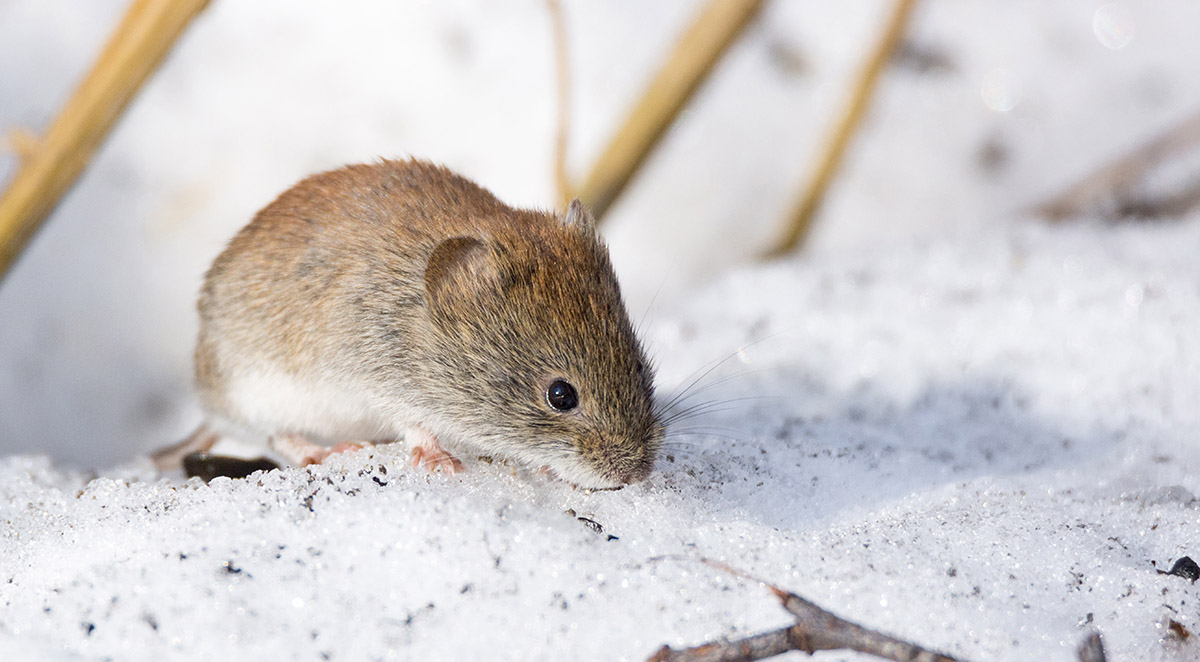
Quick Summary
- Rodents move indoors as outdoor food sources disappear and temperatures fall, with home invasions peaking from October through the winter months.
- A house mouse can fit through an opening about the size of a dime, so small gaps around your home deserve attention.
- Exclusion, which means sealing entry points, is the foundation of winter rodent prevention.
- Older foothills homes with vented crawl spaces, stone foundations, and nearby outbuildings face higher rodent pressure.
- Rid-A-Bug offers rodent control, humane wildlife management, and crawl space encapsulation to keep rodents out for the long term.
Why Rodents Move Indoors Earlier in the Foothills
As fields are harvested and natural food sources disappear in autumn, rodents that thrived outdoors all summer begin searching for a new place to live. Your heated home offers warmth, food in the pantry, water from plumbing fixtures, and protected nesting sites in walls and attics. Once rodents discover these advantages, they settle in quickly.
Elevation plays a role here. Homes in Wilkes, Caldwell, Burke, Alexander, and Surry counties cool off earlier than properties in the Piedmont, which compresses the window rodents have to find shelter. The first real cold snap often triggers a surge of activity, so acting before it arrives is the most important step you can take.
The foothills are also full of older farmhouses, cabins, and homes built over vented crawl spaces. Wooded lots, pastureland, firewood stacks, and outbuildings keep rodent populations close to the house. For a full walkthrough of sealing methods, read our guide to Fall Rodent Prevention: Seal Your Home Before Winter.
How Quickly a Small Problem Grows
Rodent reproduction explains why early prevention is so effective. A single female house mouse can produce five to ten litters per year, with five to six pups in each litter. Those offspring reach maturity within about six weeks, so a few mice that slip inside in October can become a serious infestation by late winter.
Norway rats reproduce somewhat more slowly, but a female typically produces four to six litters a year with seven to eight pups in each. Whether you are dealing with mice or rats, stopping them at the door is far easier than removing an established population later.
Common Winter Rodents in Our Region
Knowing which rodent you are dealing with helps you understand where it will nest and how it will enter your home.
House Mice
House mice are the most common rodent pest in homes. They measure only two to four inches long, not counting the tail, and can squeeze through an opening about the size of a dime. They prefer dark, secluded nesting spots close to food, such as wall voids, cabinets, storage boxes, insulation, and cluttered corners of basements and garages.
Norway Rats
Norway rats, also called brown rats, are larger and more aggressive than mice. Adults can reach seven to nine inches long without the tail. They usually nest in outdoor burrows but move indoors when the weather turns, favoring basements, crawl spaces, and lower wall voids.
Roof Rats
Roof rats, sometimes called black rats, are less common in some parts of our region but still a significant threat. These agile climbers prefer elevated nesting sites in attics and upper wall voids, which means your inspection needs to include the roofline.
Deer Mice
In higher-elevation parts of our service area, deer mice join house mice and rats in moving indoors from October through February. Wooded property lines, pastureland, and outbuildings keep these rodents in close contact with homes.
Signs of Rodent Activity
Early detection gives you the best chance of stopping a problem before it spreads. Watch for these signs, especially in kitchens, pantries, attics, and crawl spaces:
- Droppings: Mouse droppings resemble dark grains of rice, while rat droppings can reach three-quarters of an inch long.
- Gnaw marks: Fresh marks look light in color with clean edges on wood, plastic, food packaging, or wiring.
- Grease marks: Dark, oily smudges appear along walls, baseboards, and pipes where rodents travel repeatedly.
- Nesting materials: Shredded paper, fabric, and insulation point to a nest nearby.
- Sounds: Scratching or scurrying in walls and ceilings, particularly at night, suggests an active population.
- Pet behavior: Dogs and cats often notice rodents before people do.
- Odors: Established infestations produce a musky smell from urine and droppings.
If you notice any of these signs, contact a professional for an inspection before the population grows.
Rodent Prevention Steps for Foothills Homes
Effective rodent prevention addresses the three things that attract rodents: shelter, food, and water. The earlier you start, the better your results will be.
Seal Exterior Entry Points
Exclusion forms the foundation of successful rodent prevention. Walk your property during daylight and work through this inspection:
1. Examine the foundation, siding, and roofline for gaps, cracks, and holes.
2. Check where gas, water, electrical, and HVAC lines enter the home.
3. Inspect dryer vents, attic vents, and crawl space vents for damaged or missing screens.
4. Look for gaps beneath exterior doors and garage doors.
5. Check soffits, fascia, loose shingles, and chimneys for openings.
Fill small holes with steel wool held in place with caulk, since rodents cannot chew through tightly packed steel wool. Reinforce expanding foam with hardware cloth, because rodents can gnaw through cured foam. Cover vents with quarter-inch hardware cloth and install door sweeps on all exterior doors.
Remove Food and Water Sources
A house mouse needs only about one-tenth of an ounce of food a day, so small amounts of accessible food can support a population. These habits make your home far less attractive:
- Store dry food and pet food in airtight glass, metal, or heavy plastic containers.
- Clean up crumbs and spills right away, including behind appliances.
- Avoid leaving pet food out overnight.
- Keep garbage in containers with tight-fitting lids.
- Fix leaking faucets, pipes, and appliances promptly.
- Use a dehumidifier in damp basements and crawl spaces.
Maintain the Yard and Outbuildings
Store firewood at least 20 feet from your home and keep it elevated off the ground. Maintain an 18-inch gap between landscaping and your foundation, and trim branches and shrubs so they do not touch the house. Remove leaf piles and yard debris, and keep barns, sheds, and garages organized so rodents have fewer hiding spots. Our Fall Pest Control Checklist for NC Foothills Homeowners covers more of these outdoor tasks.
Protect Crawl Spaces and Attics
Crawl spaces and attics are two of the most common nesting areas in foothills homes. Make sure crawl space vents have intact quarter-inch screens, repair damaged access doors, and address moisture problems. In the attic, check for roof damage, install a chimney cap if needed, and store items in sealed plastic containers rather than cardboard.
For comprehensive protection, crawl space encapsulation creates a sealed, dry environment that reduces conditions that attract pests. Our TAP insulation for attics and crawl spaces also helps control moisture and keep pests out.
Why Professional Rodent Control Works Better
DIY traps may catch a few rodents, but they rarely remove an entire population or identify every entry point. Professional rodent control addresses the whole problem.
At Rid-A-Bug, our rodent control includes an inspection to find entry points, exclusion work to seal them, removal of existing rodents, and preventive measures to stop future problems. We follow the principles of Integrated Pest Management, which focuses on prevention, monitoring, and targeted treatment. Our team also includes an NC Wildlife Damage Control Agent for humane removal of squirrels and other wildlife that move indoors in winter. For more on trapping, see our article on effective methods for mouse control.
Frequently Asked Questions
How can I tell whether I have mice or rats?
Droppings are usually the clearest clue. Mouse droppings are about a quarter inch long and look like dark rice grains, while rat droppings can reach three-quarters of an inch. A professional inspection can confirm the species and locate entry points.
Can I handle a rodent problem on my own?
Homeowners can do a great deal to prevent rodents, including sealing gaps and removing food sources. Established infestations typically require professional help, since trapping alone rarely addresses the full population or the entry points behind it.
When should I start winter rodent prevention?
Begin in late summer or early fall, before cold weather drives rodents indoors. If you discover activity during winter, act right away to limit damage and population growth.
Are rodents a health risk?
Yes. Rodents can contaminate food, spread disease through droppings and urine, and carry parasites such as fleas, ticks, and mites. They also chew wiring, which can create fire hazards.
How much does rodent control cost?
Pricing depends on the size of your property and the scope of work needed. Please contact Rid-A-Bug for a quote based on your home.
Protect Your Foothills Home This Winter
Winter rodent prevention works best when it starts before the first cold snap. Sealing entry points, removing food and water, and protecting crawl spaces and attics will make your home far less appealing to mice and rats.
Rid-A-Bug Exterminating has served North Carolina, South Carolina, and Virginia since 1972, and our state-registered technicians understand the rodent challenges foothills homes face. We offer same-day service or service within 24 hours, and we are fully licensed and insured. Call 1-800-682-5901 or visit our contact page to schedule an inspection.